
You think that selecting a curtain for your home and office is all about choosing fabric, color, lining, length, and header system. The right curtain solution will completely change how a room will feel, while the wrong choice will make the space beautiful but not unbalanced. Curtains also need to have a practical application, offering sunlight control, privacy, glare protection, and insulation effect.
So, in order to help you furnish your window curtains for your home and office, we present this guide.
7 Things To Consider When Choosing Window Curtains For Your Home & Office
These are the factors you need to take into consideration seriously to choose window curtains for your home and office.
1. Start With the Purpose of the Room
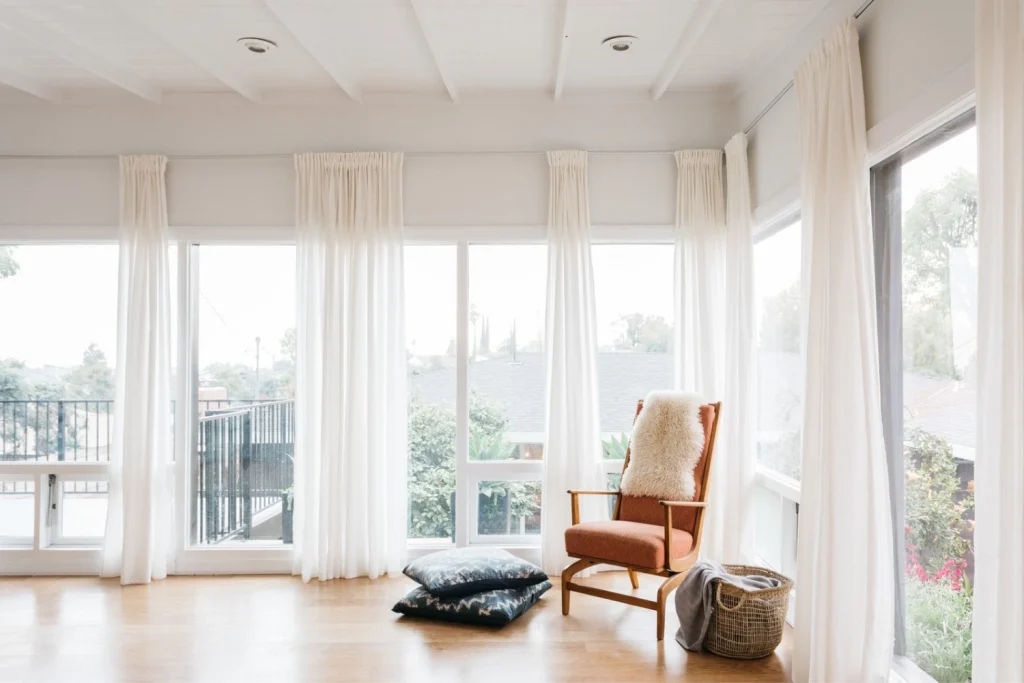
You need to ask the question, ‘What do you want your curtains to do?’ A bedroom requires a strong light-blocking and privacy solution, while a living room needs a softer daylight and décor finish. You need to think about the daily activities before looking at colors and patterns. For instance, a home theater need different curtains from a bright home office. Once you know the purpose, choosing other elements is easier.
2. Measure the Window Correctly
A beautiful fabric doesn’t compensate for incorrect window measurement. You need to measure the width of the window, but don’t assume the curtain needs to have the same width. Curtains require additional coverage on either side to stack away from the glass when you open them or get better coverage on closing. A ceiling-mounted track will create a tall, modern appearance, while a rod positioned above the frame will offer a classical look.
3. Choose the Right Fabric

Fabric will affect more than just the appearance. A lightweight linen look and the sheer fabric will allow for daylight diffusion to create a soft interior appearance. A heavier fabric will allow better privacy as well as better light control. Common choices for fabrics include sheer options that allow daylight filtration and subtle privacy. Blackout fabrics are suited for strong light control, while linen options are ideal for soft interior detailing. If you need a luxury window covering solution, we recommend velvet fabrics, while polyester blends are ideal for cost-effective, everyday coverage.
4. Decide How Much Light You Want
You need to think about the amount of natural light you want on a daily basis. If your living room needs morning or afternoon sunlight, you can completely block it. Sheers or light-filtering drapes will help soften the sun glare while allowing natural indoor illumination. Bedrooms are different; they get early morning light in the morning or intense light during the day. In the night they see artificial light inflow. For an office space, glare is important because it will cause a direct glare effect on your computer screens.
5. Consider Layered Curtains
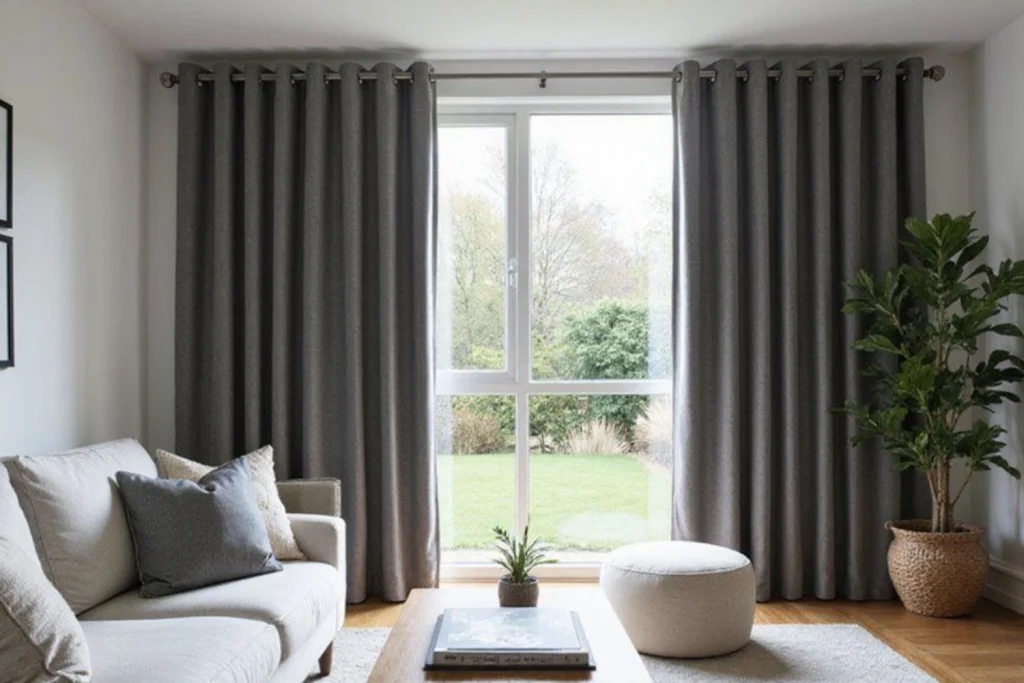
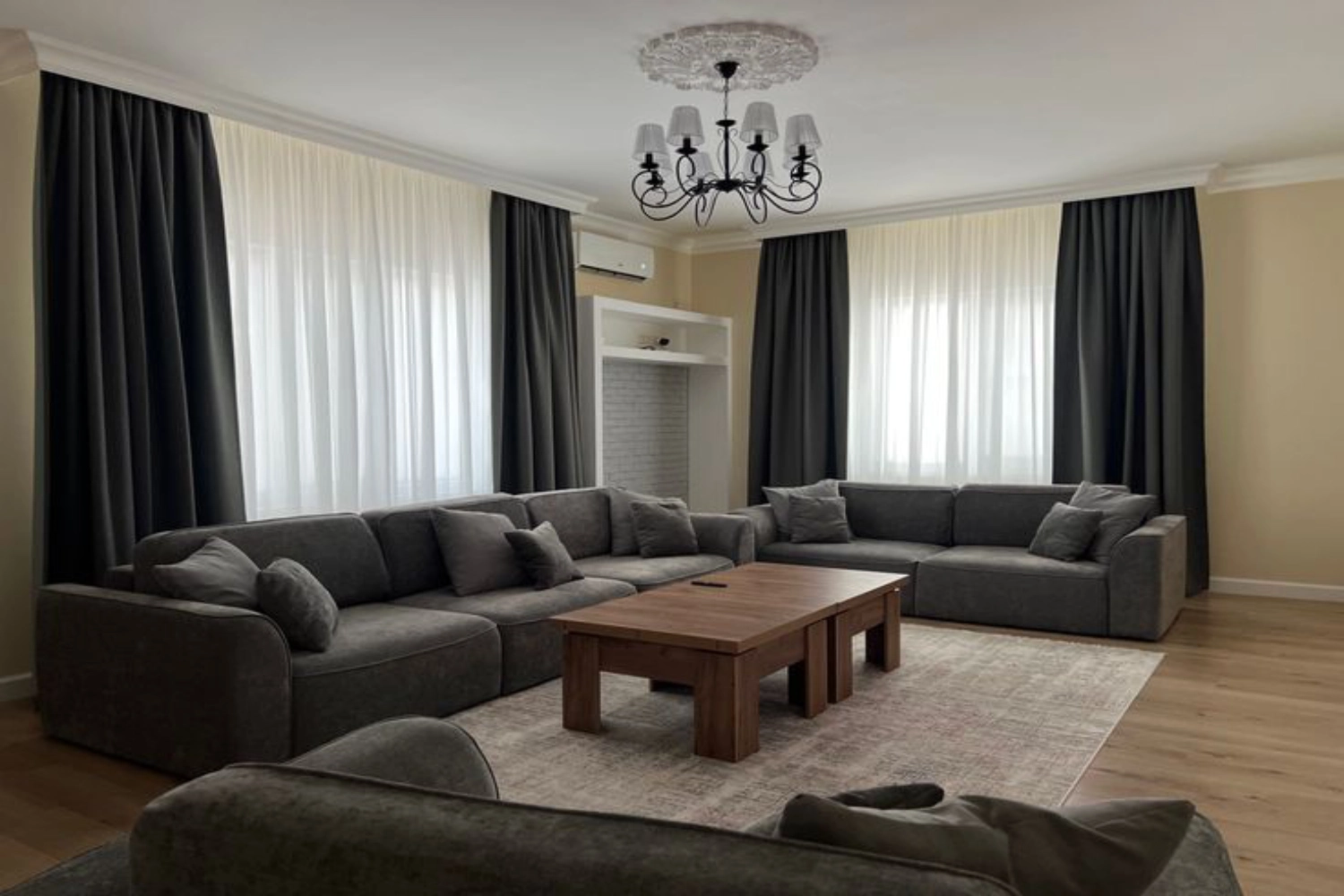
Among the most practical curtain arrangements is the layered solution of sheers and blackout drapes. Another option is the layering of decorative drapes. The sheer fabric will allow daylight filtration while allowing for natural illumination. The heavier layer can be closed for when you need privacy, darkness, or better sunlight control. It will work best for offices in areas like meeting spaces and reception areas where you need light control and a better appearance.
6. Pick a Color That Works With the Room
Curtains don’t need to match with your sofa or walls in an exact manner. You don’t have to look at the overall color theme of the room. For a classical appearance, you can go with soft shades like beige, cream, grey, taupe, white, and soft earthy tones. You can use these colors if you think that these won’t support your room. A deep green, navy, terracotta, or muted blue drapery will help create a strong focal décor point without needing any major changes.
7. Think About Curtain Length and Fullness
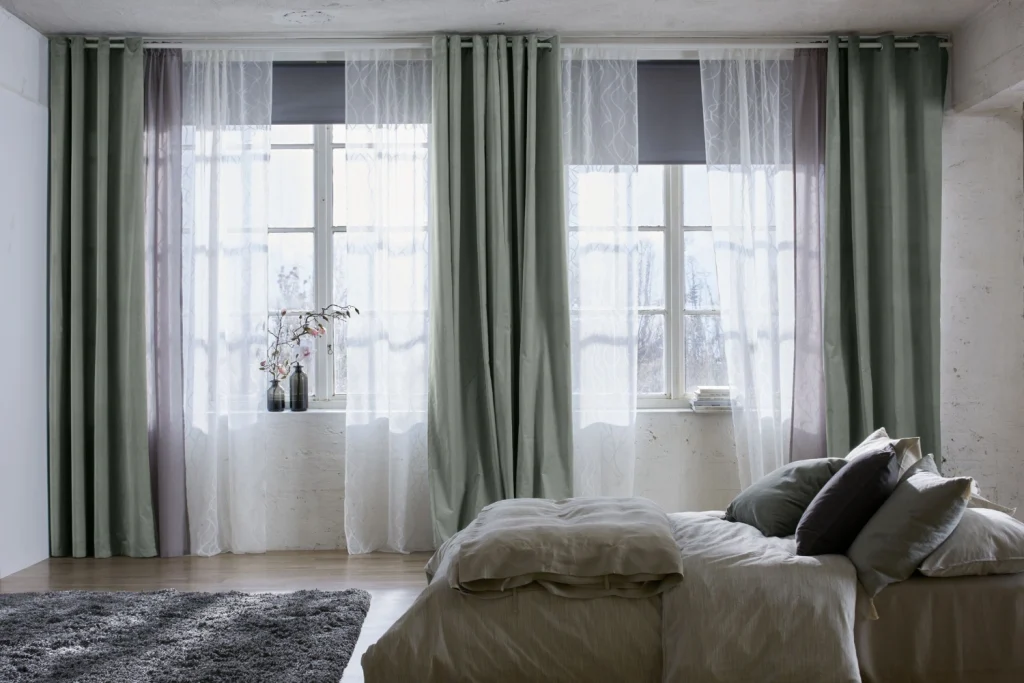
A curtain that is made for the exact same width as the window will look relatively flat when its closed. Additional fabrics will help create better fabric folds to let the curtains have a fuller appearance. The require fullness for drapery system will depend on the fabric type, its header style, track system, and the desired appearance. The length of the curtain will also matter. A curtain that is too short will make the window appear shorter and unfinished. Likewise, a long curtain will make the maintenance an issue.
8. Choose the Right Track or Rod
The hardware for the drapery must support both its curtain weight and the desired appearance. A curtain rod will help you achieve a decorative look when the finial and brackets are part of its design. A track will offer a cleaner appearance and can be fitted into ceilings or recessed curtain pockets. For a large window with heavy curtains, you need to ensure that the rod or track is properly specified. A beautiful drapery will become difficult to operate if it’s hardware is not strong enough. The one best option is to get motorized curtains for large sized windows, high ceilings, and smart homes.
Final Thoughts
Your choice for curtains must not be just about finding the right fabric. The best treatment would offer balanced light control, fabric options, color, fullness, hardware, and maintenance. You can choose layered systems as a flexible light & privacy control solution. Take time to understand your room’s function, and only then must you choose the right curtain for it.