You can choose a curtain color and it seems simple enough, but when you look at dozens of samples, you get confused. Will this match my wall, will this contrast with my sofa, should I choose the white one or go with something bold? The truth is that there is no single curtain color that works for each room. The right choice will depend on the size of the space, natural light, furniture, and flooring. The curtain will blend into your room and be a part of the visual appeal. We are here to help you on how to choose a curtain color for any room of the house.
An Easy To Follow Guide On Choosing A Curtain Color For Your Room
This is an easy-to-follow step by step guide on choosing a curtain color for your room.
1. Start With The Room’s Existing Colors
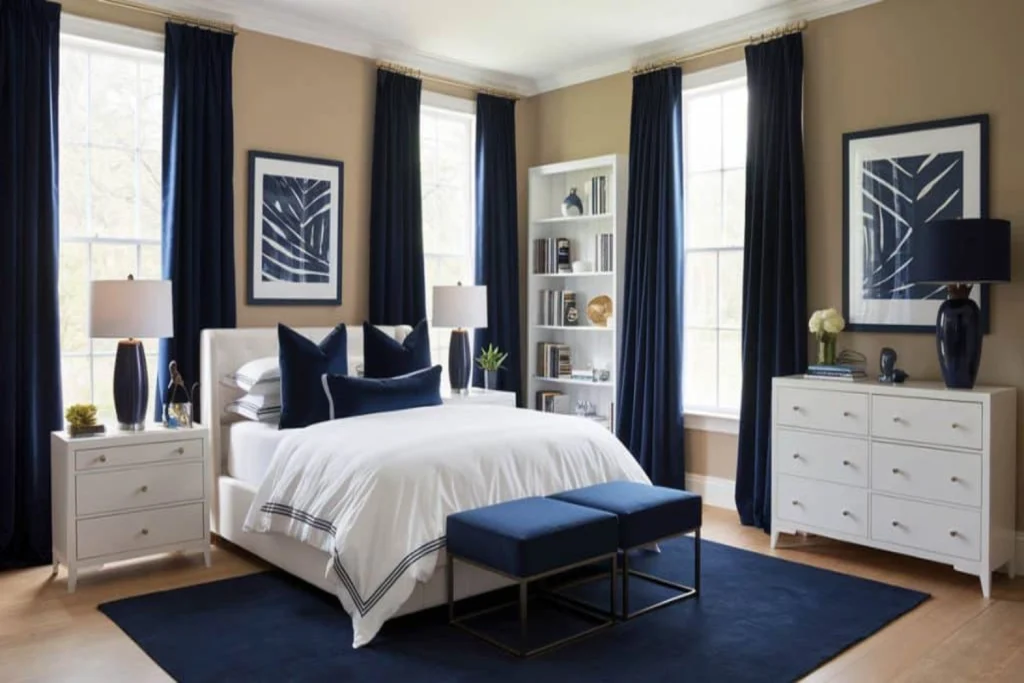
The first thing is to take a look at what it is already in the room, like the sofa, walls, carpet, flooring, furniture, and other accessories. Your curtain must feel connected to these interior elements instead of being a separate part. The right approach is to choose a color that is already in the room. It can be a soft beige brown tone of the sofa which will match the beige draperies for a coordinated interior theme.
2. Match Curtains With The Walls
You can match curtains with the wall color as one of the safest approaches. This means that your curtains don’t have to be the same shade as the wall paint. A light or dark version of the wall color will offer visual depth, which will keep the room visually calm. For instance, you can pair cream walls with curtains of ivory, beige, taupe, or warm sandy tones.
3. Consider The Amount Of Natural Light
Natural light will change the visual effect of your curtain colors. A color that seems warm and soft in a showroom will look completely different when sunlight hits it. A room that faces the south or west side will receive strong sunlight, while shaded rooms need light colors for a brighter appearance. Dark color will attract onlookers, while a light color gives an airy feel.
4. Think About Room Size
The color of the curtain will change how the large or compact room feels. If it’s a small room, light colors will help maintain the open appearance. A curtain too close to your wall will make it look more continuous. In a large room, you get to have more freedom to get deeper shades We recommend colors like charcoal, navy, olive, and others for a spacious interior feel. This doesn’t mean that dark curtains won’t work for small rooms; they can, but when used with the right accent.
5. Choose Colors Based On The Room’s Purpose
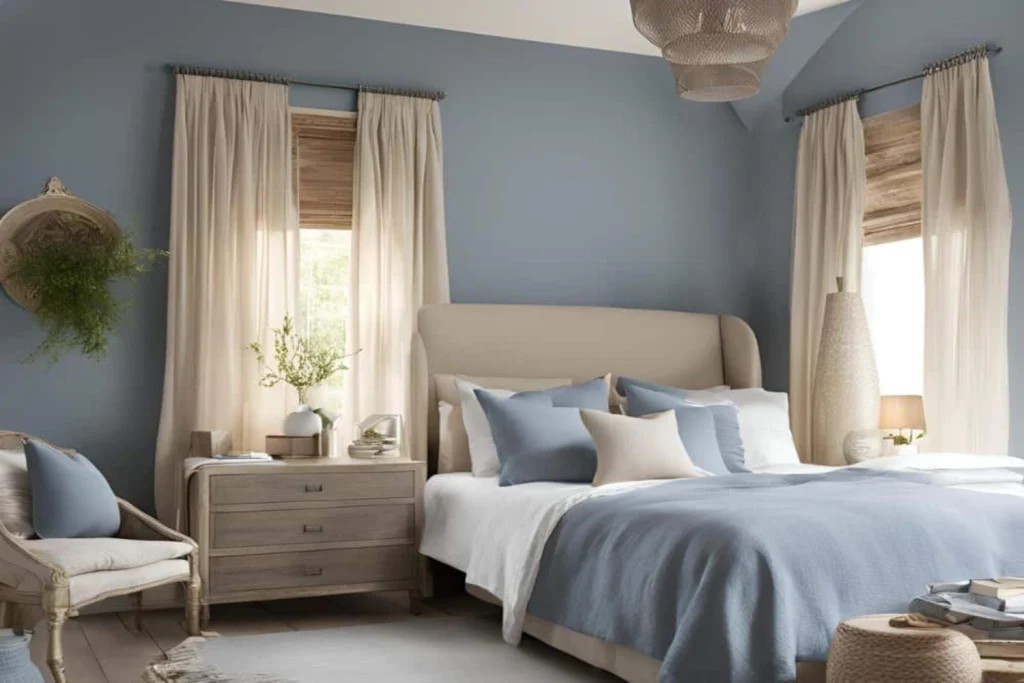
Different colors will cater to different room needs. The living room will benefit from colors that are easy to live with, like beige, taupe, and muted greens. A bedroom curtain needs calmer colors like soft beige, dusty blue, warm grey, and muted earthy tones. In a dining room, we recommend curtains with colors like deep green, navy, burgundy, and warm terracotta. For a home office, you can opt for colors that won’t be a distraction during working hours, like beige, off-white, soft green, or muted blue.
6. Should Curtains Match The Sofa?
There is no set rule that your curtains have to match the sofa. In fact, you can choose the same color for your curtain and sofa and it will make it look overly coordinated. Instead, you should choose for the colors that belong to the same family. The perfect example would be to get a navy sofa paired with light grey curtains or a beige sofa with cream or olive colored drapery.
7. Don’t Ignore The Flooring
Flooring is smoothing that will cover the large visual area of a room and it should be factored into your curtain color choice. Warm wood floors will pair best with warm neutrals, earthy greens, creams, and neutral shades. Cool grey floors will pair with soft grey, blue, white, or cooler neutrals. If its carpet flooring with a noticeable pattern, you can use simple curtains.
8. Use Accent Colors Carefully
Curtains are an excellent way to add an accent color to your room. Suppose a room has colors like cream, beige, and wood tones; you can add muted green curtains to add more personality to the room. You can repeat that green in simpler elements like cushions, artwork, or a rug. This will help create a visual connection between different parts of your room to make the color of the curtain feel intentional.
9. Consider Plain Or Patterned Curtains
Color is not the only decision you have to make; its pattern will matter too. If the wall and furniture already have patterns, plain curtains will help create a calmer appearance. If the room is mostly plain, you can get curtains with stripes, geometric designs, floral patterns, or subtle textures for visual appeal. If it’s a large window, you can get strong pattern for the drapery for a considerable room area Its best to ask the supplier for a large fabric sample before making your final decision.
10. Think About Long-Term Appeal
Curtains are not something that you will replace every few months, You can choose the color based on the current trend but it can become quite hard to change when you need to change the interior theme. Neutral colors like beige, ivory, taupe, grey, and soft white are versatile color choices that will work with different furniture and décor styles.
Final Thoughts
The best curtain color is not the most fashionable choice but one that will match your walls. It is color that works with the entire room as a whole. You can start by looking at existing colors, the inflow of natural light, checking the room size and purpose. Its best to ask the curtain supplier for fabric samples and take a look at colors under the sunlight, afternoon glare, and artificial lighting. When you choose the right curtain color, you get to enjoy them longer despite the multiple interior trends passing.